
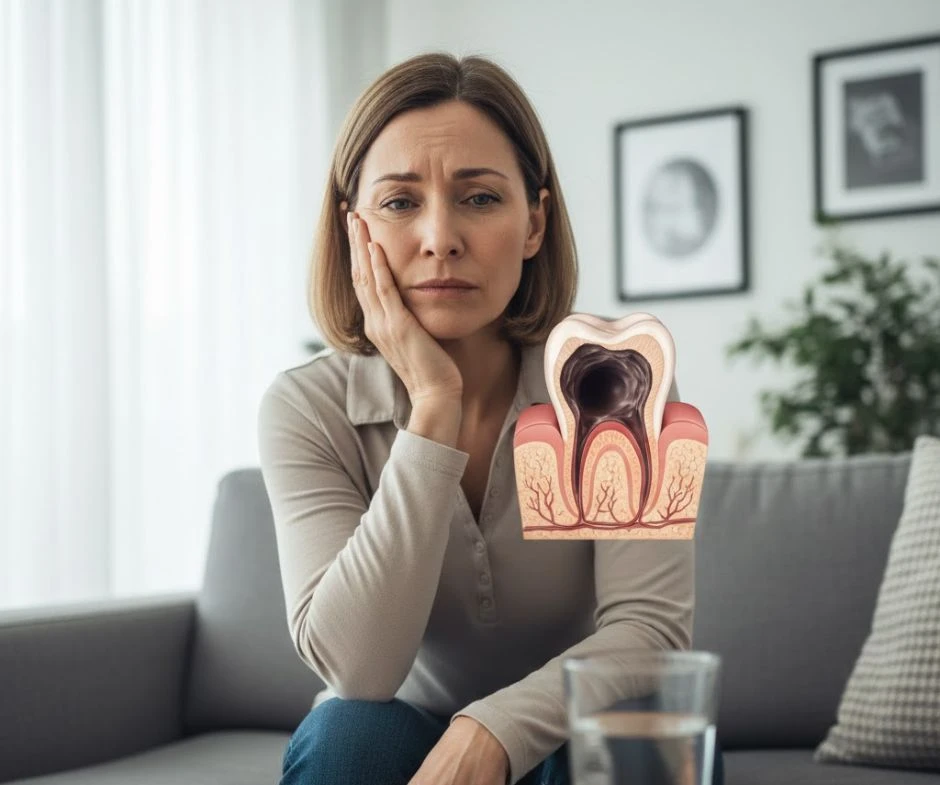
That pill feels helpful until it isn’t.
You wake up with a sharp toothache. It’s annoying, maybe even scary. You reach for a painkiller, and soon after, the pain dulls. Relief. You go about your day thinking, “I’ll deal with it later.”
Later turns into days. Days turn into weeks. And when the pain finally comes back, it hits harder, lasts longer, and now something serious is going on.
We’ve seen this situation many times at Signature Smilez Family Dental.
Painkillers don’t fix dental problems. They mute them. And when pain goes quiet without the problem being treated, damage keeps growing in the background.
Here’s what you need to know about, why relying on painkillers for tooth pain can lead to bigger, more expensive, and more stressful dental issues, and what to do instead.
Why Tooth Pain Should Never Be Ignored
Pain is a warning, not the problem.
Tooth pain is your body waving a red flag. It’s not random, and it’s not “just sensitivity” most of the time. Pain usually means something is wrong inside the tooth or the surrounding gums. Common causes of dental pain include:
- Tooth decay reaching deeper layers
- Gum infection or inflammation
- Cracks or fractures in a tooth
- Dental abscesses
- Exposed tooth roots
- Old fillings or crowns failing
Painkillers don’t address any of these causes. They simply block pain signals for a short time. Even as you feel better, the issue keeps worsening.
How Painkillers Work And Why That’s the Problem
Painkillers mask pain, but they don’t fix the dental problem.
Over-the-counter painkillers like ibuprofen or acetaminophen reduce inflammation or block pain signals to the brain. That’s useful for headaches or muscle soreness. But dental pain is different.
Tooth pain often comes from:
- Infection
- Nerve damage
- Ongoing decay
Painkillers don’t remove bacteria.
They don’t stop cavities.
They don’t heal nerves.
They don’t solve the problem, they simply dull the pain. And once the pain feels manageable, treatment often gets pushed aside.
The False Comfort of “It Feels Better Now”
Temporary relief can be misleading.
One of the biggest dangers of painkillers is how convincing they are. When pain fades, people assume:
- “It must not be serious”
- “It’s probably healing”
- “I’ll wait and see”
But teeth don’t heal themselves. If decay or infection caused the pain, it’s still there. Often, it spreads deeper into the tooth or into the bone. By the time pain returns, the damage is usually worse.
What Really Happens When You Delay Dental Care
Small problems grow quietly.
Here’s how untreated dental issues typically progress:
- A small cavity reaches the inner tooth
- Pain comes and goes
- Painkillers reduce discomfort
- Infection spreads
- Swelling or abscess forms
- Tooth becomes harder to save
What could have been a simple filling may now require advanced treatment or even tooth removal.
Tooth Infections Don’t Stay in One Place
Oral infections can spread.
A dental infection isn’t limited to your mouth. When bacteria enter deeper tissues, they can spread to:
- Jawbone
- Sinuses
- Neck
- Bloodstream
This is why dental abscesses are considered serious health concerns, not just “bad toothaches.” Painkillers can hide these warning signs while the infection continues to spread.
Pain Stops. That’s a Red Flag.
No pain doesn’t mean no problem.
In some cases, tooth pain suddenly stops without medication. That sounds like good news, but it often means the nerve has died. When that happens:
- You may feel no pain
- The tooth is still infected
- Damage continues silently
- Swelling or abscess may appear later
This is one of the most dangerous delays we see.
The Cost of Waiting: More Than Just Pain
Delays lead to bigger treatments.
Putting off dental visits often leads to:
- More complex procedures
- Longer treatment times
- Higher costs
- More discomfort overall
Early care is almost always:
- Faster
- Less invasive
- More affordable
- Easier to recover from
Painkillers can turn a small issue into a major one simply by buying time for it to worsen.
Common Dental Problems Masked by Painkillers
Cavities
Pain may start mild and come and go. Painkillers hide symptoms while decay spreads deeper.
Gum Disease
Inflamed gums can cause soreness or throbbing. Painkillers reduce inflammation, but infection remains.
Cracked Teeth
Cracks may hurt only when chewing. Painkillers won’t stop cracks from widening.
Abscesses
These often cause severe pain, swelling, or pressure. Painkillers reduce symptoms but not the infection.
Why Dental Pain Often Feels Worse at Night
Less distraction, more pressure.
Many people notice that tooth pain intensifies at night. That’s because:
- Blood flow changes when lying down
- Swelling increases
- Fewer distractions make pain more noticeable
Reaching for painkillers becomes a habit, but night pain is a strong sign you need dental care.
When Painkillers Can Be Useful (The Right Way)
Short-term support is not a solution.
Painkillers do have a role in dental care when used properly:
- Temporary relief until your appointment
- Managing discomfort after treatment
- Reducing inflammation as advised by your dentist
They should never be used to delay care. If you need painkillers for more than a day or two, that’s a signal, not a fix.
The Risk of Overusing Painkillers
It’s not just your teeth at risk.
Frequent use of painkillers can cause:
- Stomach irritation
- Liver or kidney strain
- Masked symptoms of serious infection
- Dependency on medication instead of care
Patterns We Often See in the Clinic
Real patterns, real consequences.
At Signature Smilez Family Dental, our dentists, hygienists, and assistants regularly see patients who say:
- “I thought it would go away”
- “The painkillers helped at first”
- “I didn’t think it was that bad”
By the time they arrive, treatment is often more involved than it needed to be.
Dr. Jacob and her associates focus on early care, clear communication, and honest guidance, so patients can make decisions before pain forces them to.
Signs You Should Stop Using Painkillers and Call a Dentist
Don’t wait if you notice:
- Pain lasting more than 24–48 hours
- Swelling in the face or gums
- Sensitivity to hot or cold that lingers
- Pain when chewing
- Bad taste or odor in the mouth
- Fever or general fatigue
These are signs of infection or damage that medication cannot fix.
How We Find the Real Cause of Your Pain
Honest advice. Comfortable care.
When you visit Signature Smilez Family Dental for tooth pain, our dental team focuses on:
- Finding the real cause
- Explaining what’s happening in simple terms
- Offering clear treatment options
- Helping you feel informed and supported
The goal isn’t just to stop pain today, but to protect your teeth long-term.
How Early Treatment Protects Your Smile
Prevention saves teeth
Addressing dental pain early can:
- Save natural teeth
- Reduce treatment time
- Lower overall costs
- Prevent infections
- Protect jawbone health
Painkillers can’t do any of that.
Practical Tips to Handle Tooth Pain Before Your Appointment
Do this instead of delaying care
- Rinse gently with warm salt water
- Avoid chewing on the painful side
- Keep the area clean
- Use painkillers only as a temporary measure
- Book your dental appointment as soon as possible
Pain management is fine. Pain avoidance is not.
Why “Waiting It Out” Rarely Works
Unlike cuts or bruises, dental tissues don’t regenerate easily. Once decay or infection starts, it needs professional care. Waiting doesn’t fix the problem. It usually makes it harder to fix.
Your Mouth Is Part of Your Whole Health
Oral health affects more than smiles
Untreated dental infections have been linked to:
- Heart health
- Blood sugar issues
- Chronic inflammation
- Overall fatigue and stress
The Emotional Side of Dental Pain
Fear and avoidance are common
Many people delay dental visits because of:
- Anxiety
- Past bad experiences
- Financial concerns
- Fear of judgment
At Signature Smilez Family Dental, our team understands this. Our focus is on care, not criticism. You’re not alone and you’re not too late.
Why Honest Dental Advice Matters
Clear answers build trust
Our dentists believe patients deserve:
- Straightforward explanations
- Realistic options
- Respect for their comfort and concerns
Painkillers may feel like the easy choice, but getting proper treatment is the better choice.
Take Action Before Pain Forces You To
If you’re relying on painkillers for tooth pain, it’s time to pause and ask:
- What’s causing this?
- What’s happening under the surface?
- What will this look like in six months?
Early care keeps your smile strong, supports your overall health, and saves you a lot of worry later.
Visit Signature Smilez Family Dental
Tooth pain doesn’t have to control your life. Personalized care, clear answers, and a supportive dental team can make all the difference.
Book an appointment with Signature Smilez Family Dental and let our dentists help you treat the cause, not just the pain.